From eight family businesses to one governed foundation
More than 200 stores, grown by acquisition, running on siloed data and a self-built Power BI environment that could no longer keep up. We built the governed foundation underneath it, with the existing team at the centre, so Eyecare now owns its platform, its definitions, and numbers it can trace back to the source.
1The challenge
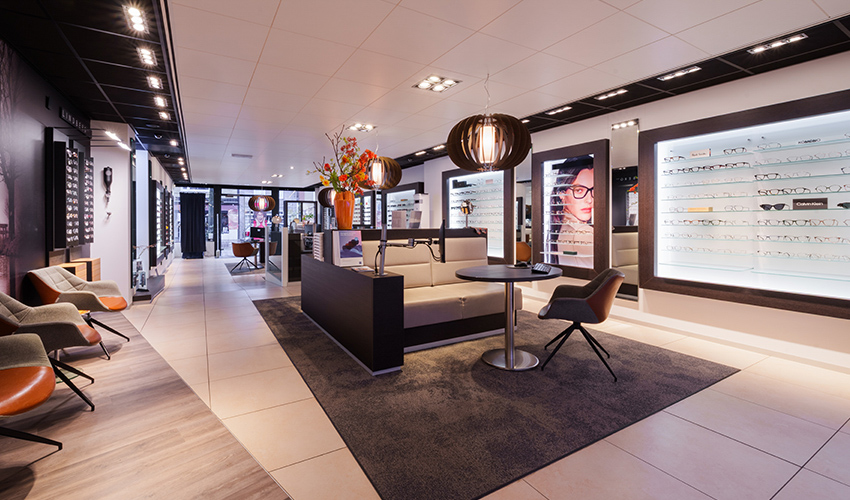
Eyecare Groep did not grow the usual way. Five years ago it came together from eight family businesses, opticians and audiologists, and grew by acquisition to more than 200 stores across Europe. Every acquisition arrived with its own systems, its own reporting, its own way of counting. The silos were not a failure. They were baked in from the start.
By the time we met, the team had built a Power BI environment themselves. Capable people who had taken it as far as a self-built setup can go. But it could no longer keep up with the pace of the business. Numbers were hard to trace and harder to trust, so data had become a way to defend the past rather than steer the business. Everyone agreed the organisation should be data-driven. Nobody could act on a single number they all trusted.
2Our solution
A strategy on a slide is the easy part. The hard part is the foundation underneath it, and that is where we started. We did not come in over the top of the existing team. We built underneath them and put them at the centre of it.
Over the past year we designed and built a single governed layer to carry Eyecare's ambition: all the siloed sources brought together into one Delta Lakehouse, with governance and data quality built in from day one, a code-first way of working via DevOps and GitHub, and automated, complete lineage, so any number can be traced all the way back to its source. Underneath the self-service sits structured, trusted data where their data scientists can do their best work, surfaced to the business through dbt, Power BI, and a trusted natural-language layer on top.
The point was ownership. Eyecare owns the platform, and just as importantly, owns the definitions. And it was built for collaboration: not an IT tool thrown over the wall to the business, but one environment where business and IT work on the same trusted data together.
3The results
Then we proved it where it counts, function by function. We reconciled HR data into numbers people can finally trust. We streamlined finance insights so the business steers on one version of the figures instead of three. And we went deep into the marketing data, where the analysis surfaced conclusions that ran directly against what senior leaders expected. That is the moment a foundation earns its keep: when the data is trusted enough to change a decision, not just confirm one.
Because Eyecare built the foundation first, it now reaps the benefit at scale. Teams own their own data and their own definitions. They ask questions in plain language and get an answer they can trace back to the source. They pull their own insights instead of waiting on an agency. And across HR, finance, and marketing, they steer on trusted data: the same numbers, meaning the same thing, everywhere.
“Everyone tells you to start with strategy, and they are right. But a strategy on a slide does not reconcile your HR data or tell you your marketing assumptions are wrong. Datahub built the foundation that did, without pushing my own team aside. They built underneath us and made us the owners. For the first time we have data we own, definitions we own, and numbers we can trace back to the source and actually trust. That is the part that changed how we work.”